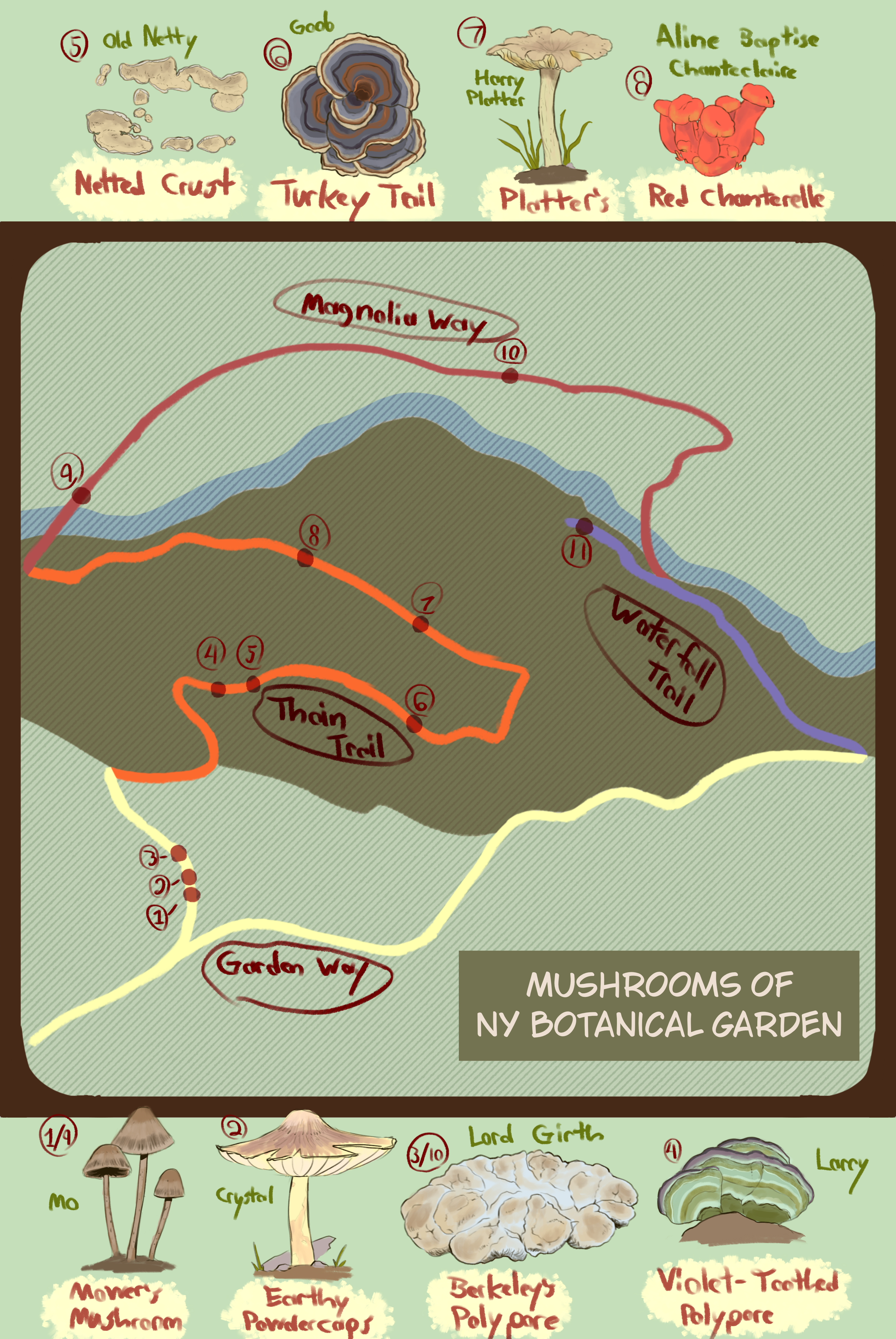
Here, I document all the mushroom species I came across on the New York Botanical Garden’s campus. Here is a map of my journey and the locations where I found them.
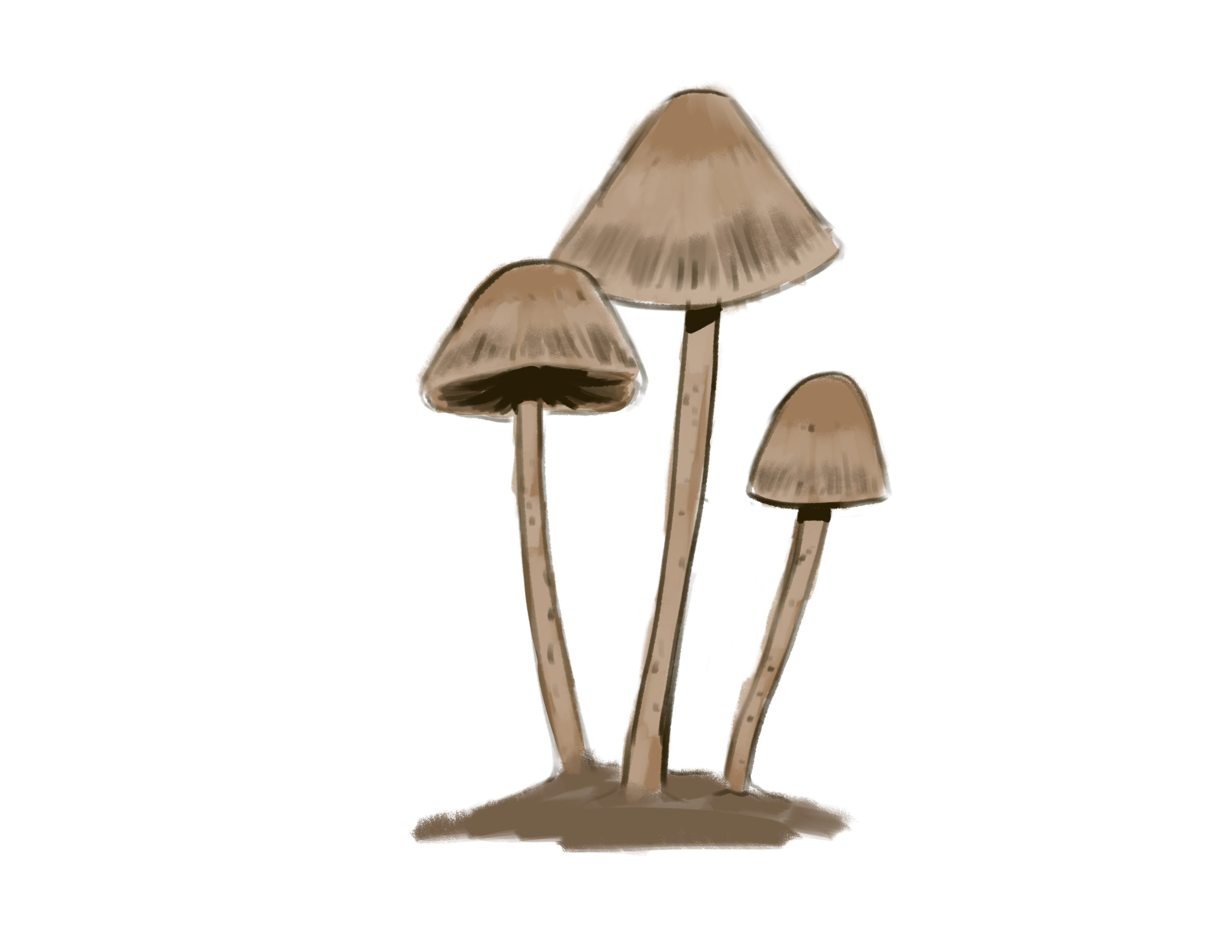
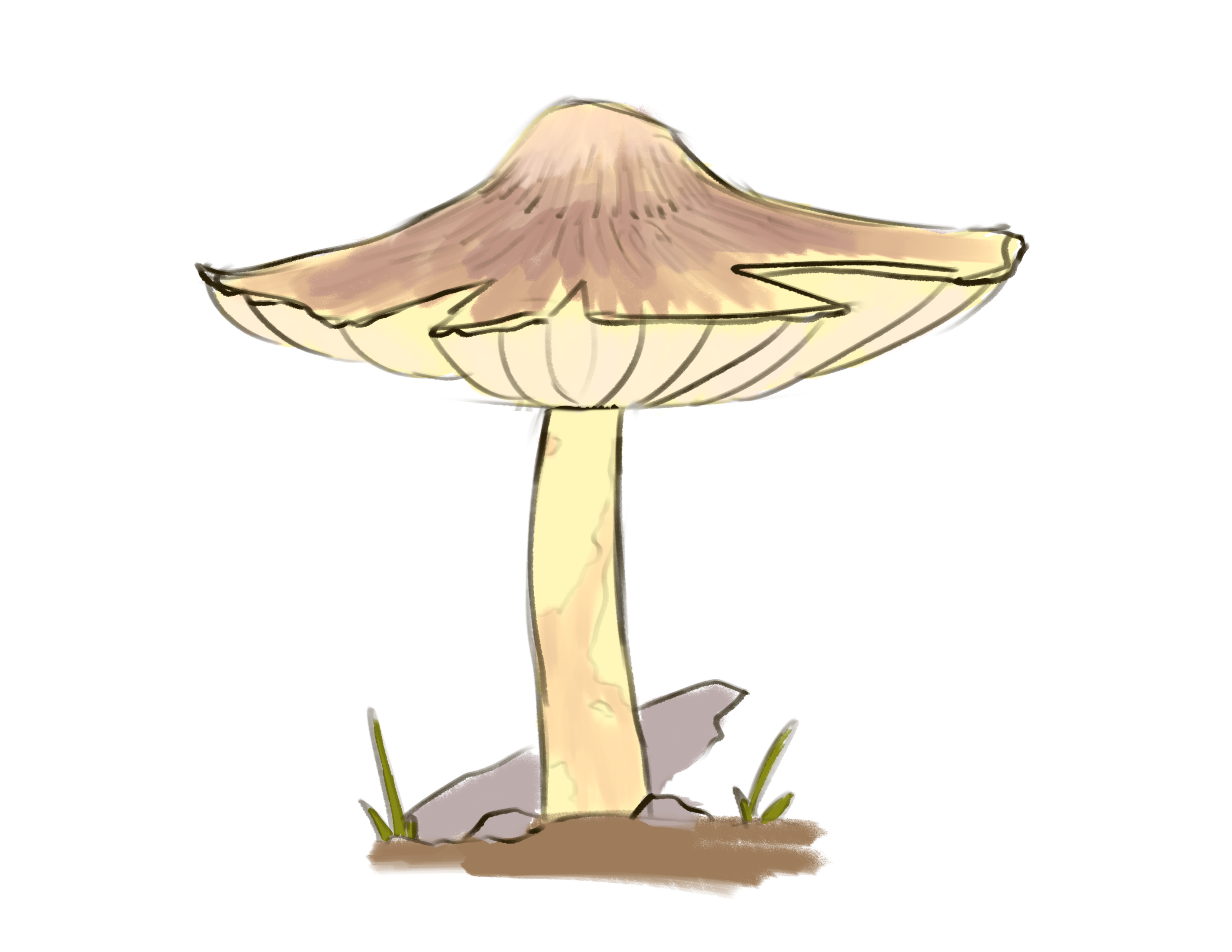
Panaeolus foenisecii, commonly called the haymaker's panaeolus, lawnmower's mushroom, mower's mushroom, haymaker, or brown hay mushroom, is a very common and widely distributed little brown mushroom often found on lawns. It is not edible.
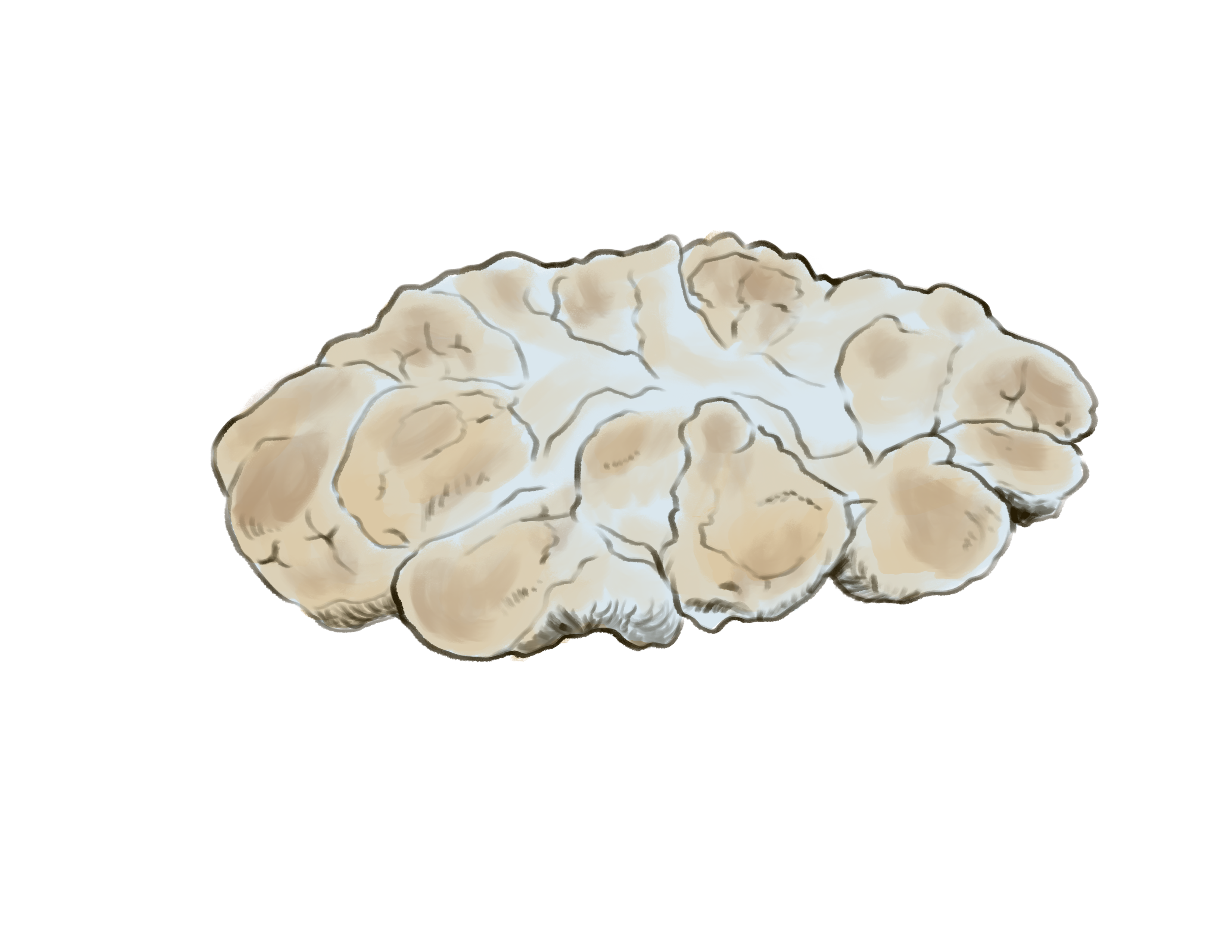
Bondarzewia berkeleyi, or stump blossoms, is a species of polypore fungus in the family Russulaceae. It is a parasitic species that causes butt rot in oaks and other hardwood trees. A widespread fungus, it is found in Europe and North America. It is edible, but only when it is young and tender. As it ages, the flesh becomes tough, woody, and bitter.
Cystoderma amianthinum, is a small, yellowish-brown gilled mushroom distinguished by its dry, mealy granular cap and a distinctively sheathed stalk. Often described as wearing an "ill-fitting stocking," it is frequently found in damp mossy grasslands, conifer forest clearings, and wooded heaths. Edible but not reccomended due to its resemblance to Lepiota castanea, its highly poisonous cousin.
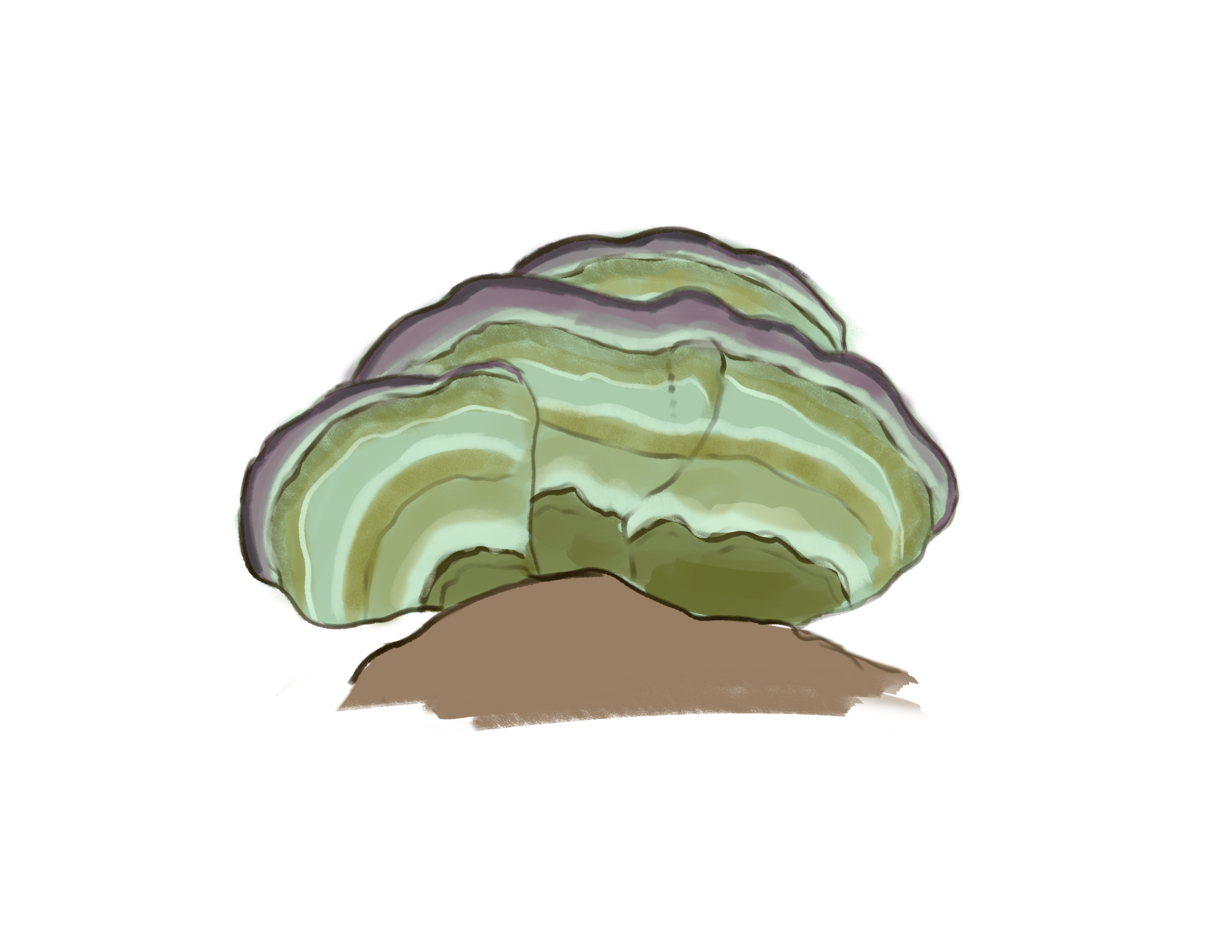
Trichaptum biforme, is a species of poroid fungus in the order. It is initially violet before fading into zones of white to brownIt is widely distributed and occurs on at least 65 tree hosts, but rarely on conifers. It is a saprobe that decomposes hardwood stumps and logs. Not edible.
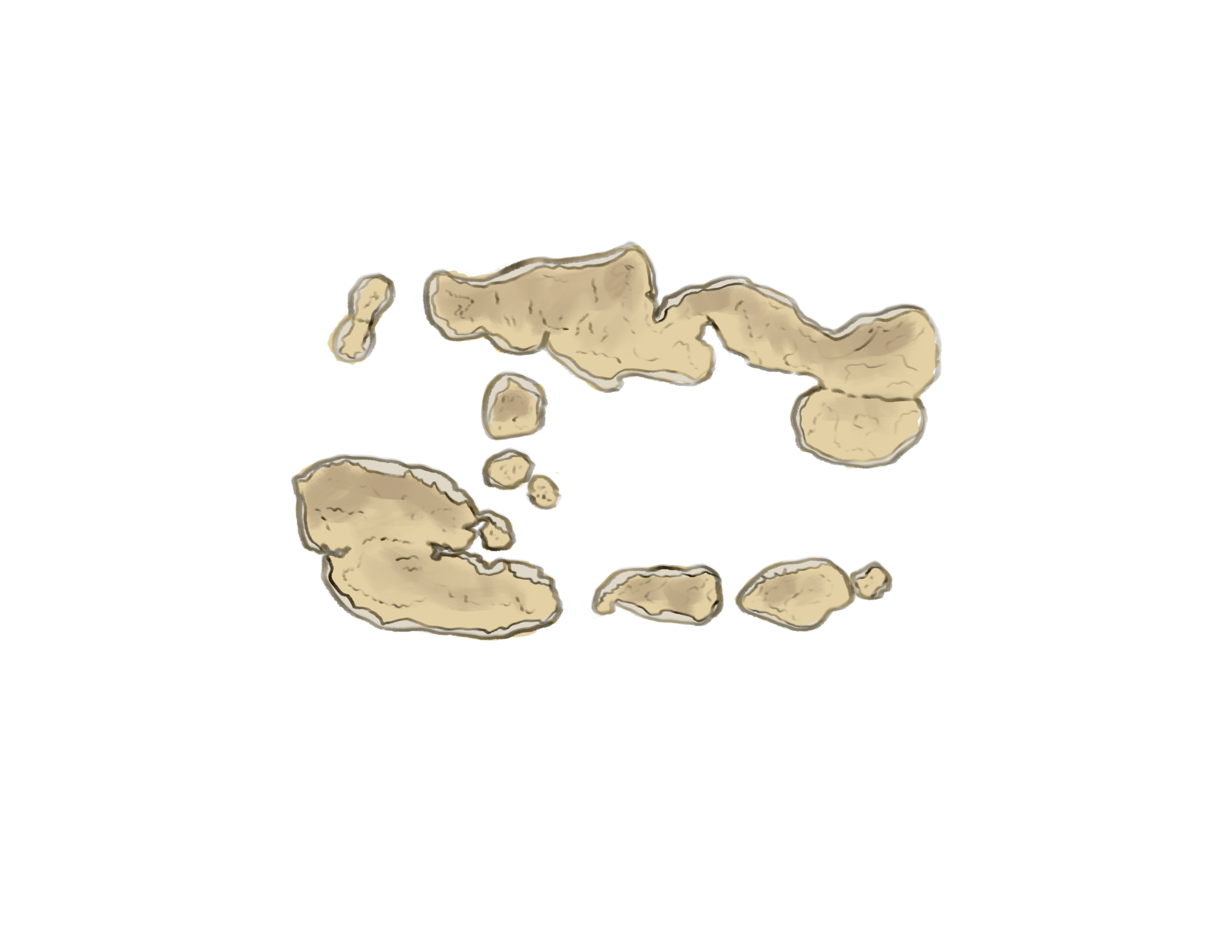
Byssomerulius corium, is a widespread and common type of crust fungus that grows flat against dead and decaying wood, rather than forming a classic mushroom shape. It appears as a leathery, wrinkled white or cream-colored layer, often with tiny interlinked, jigsaw-like folds. Is edible.
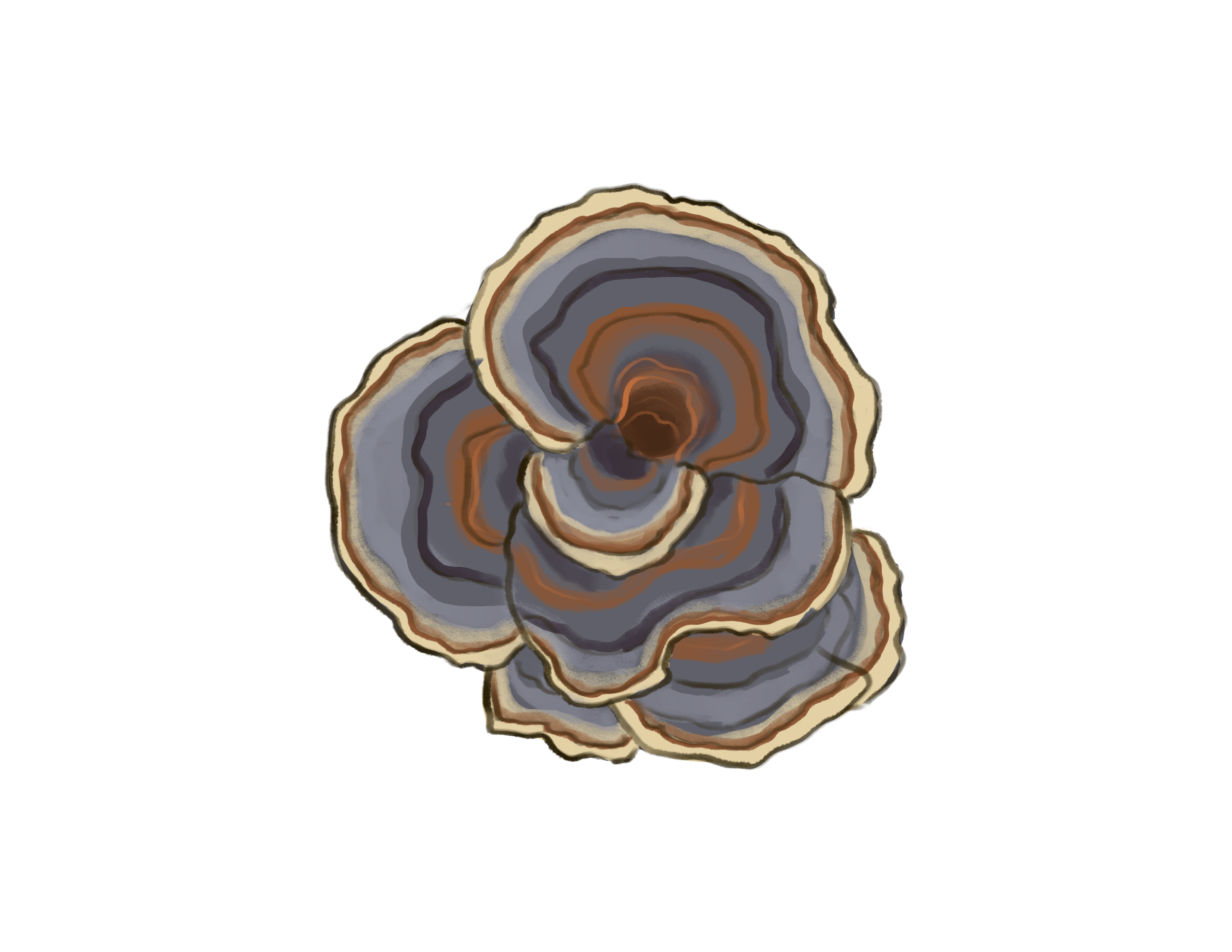
Trametes versicolor, is a common polypore mushroom found throughout the world. The fruiting body is somewhat tongue-shaped, with no discernable stalk, and has tough flesh. Owing to its shape being similar to that of a wild turkey's tail feathers. Is edible.
Megacollybia fallax, a medium-to-large woodland fungus recognized by its streaked gray-brown cap and remarkably broad white gills. The name "platterful" refers to these broad gills. Is not edible.
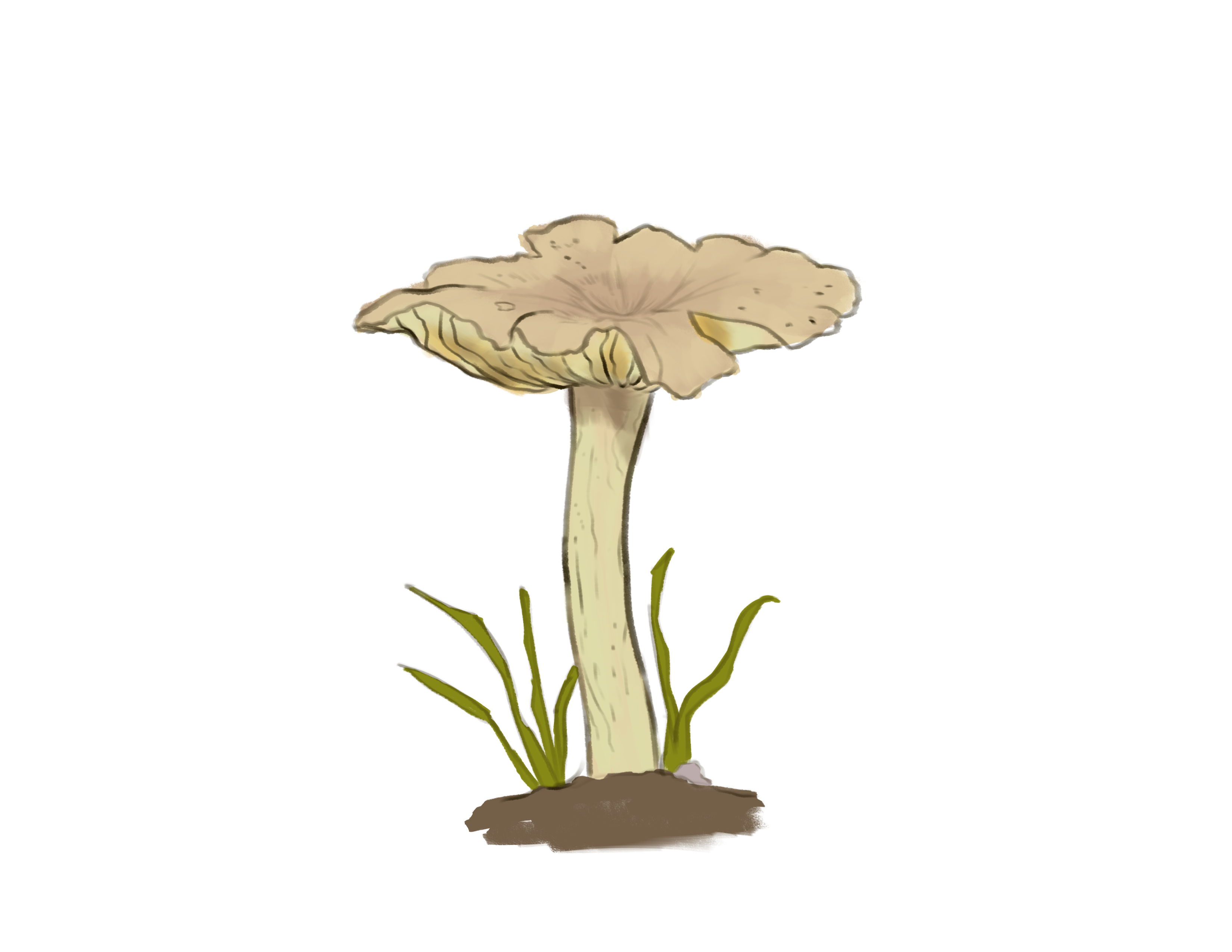
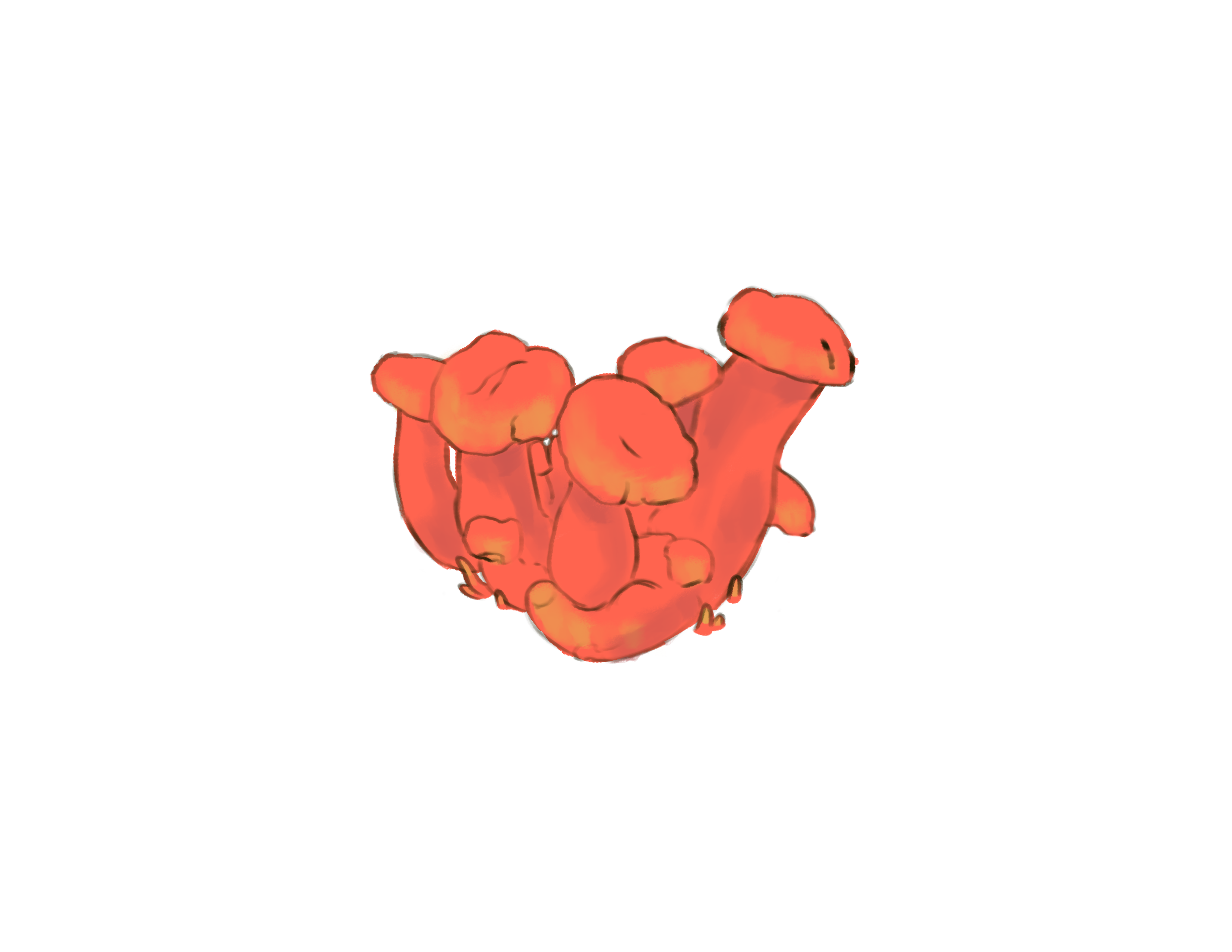
Cantharellus cinnabarinus, is recognized by its distinctive flamingo-pink to bright orange and red colors. It is named after cinnabar, which has a similar red color. The fruitbodies can grow up to 7 centimetres (2+3⁄4 in) across. Is edible and taste of a mix of pepper and fruity.